Is Tompolo’s Door-To-Door Movement A Political Investment Or A Costly Gamble? Fejiro Oliver Questions The ₦2.1 Trillion Surveillance Contract’s Alleged Political Connection

Political commentator Fejiro Oliver has questioned the strength of the City Boy Movement and Tompolo’s PBAT Door-to-Door Movement ahead of the 2027 presidential election, drawing parallels with the Transformation Ambassadors of Nigeria (TAN), which campaigned for former President Goodluck Jonathan in 2011 and 2015.
In a strongly worded political commentary, Oliver argued that the scale of political mobilisation, campaign funding and public visibility surrounding the two pro-Tinubu movements might not necessarily translate into electoral victory.
According to him, TAN, which he described as one of Nigeria’s most coordinated and heavily funded presidential campaign pressure groups, mounted an extensive nationwide campaign for Jonathan but could not secure his re-election in 2015.
Oliver said the experience should serve as a warning to supporters of President Bola Tinubu who believe that the activities of the City Boy Movement, associated with Seyi Tinubu, and the PBAT Door-to-Door Movement could guarantee victory for the All Progressives Congress (APC) in 2027.
TAN’s 2015 Experience: A Warning For Tinubu’s Supporters?
Revisiting the 2011 and 2015 presidential elections, Oliver described TAN as an exceptionally influential political mobilisation platform that enjoyed significant national visibility during Jonathan’s presidency.
He claimed that the organisation's campaign activities sometimes appeared more prominent than those of the main presidential campaign council.
However, despite the group's extensive mobilisation, Jonathan lost the 2015 presidential election to Muhammadu Buhari, the candidate of the then opposition APC.
Buhari's victory marked a historic political transition, as an incumbent Nigerian president conceded defeat to an opposition challenger following a competitive presidential election.
Drawing from that experience, Oliver argued that campaign rallies, donated buses, political endorsements and financial resources cannot independently determine the outcome of an election.
He suggested that the political dynamics of 2027 could produce a similar outcome if the APC assumes that its mobilisation structures are sufficient to guarantee victory.
Oliver Questions Funding Of Pro-Tinubu Movements
Oliver also raised questions about the funding behind the two movements supporting Tinubu's anticipated re-election bid.
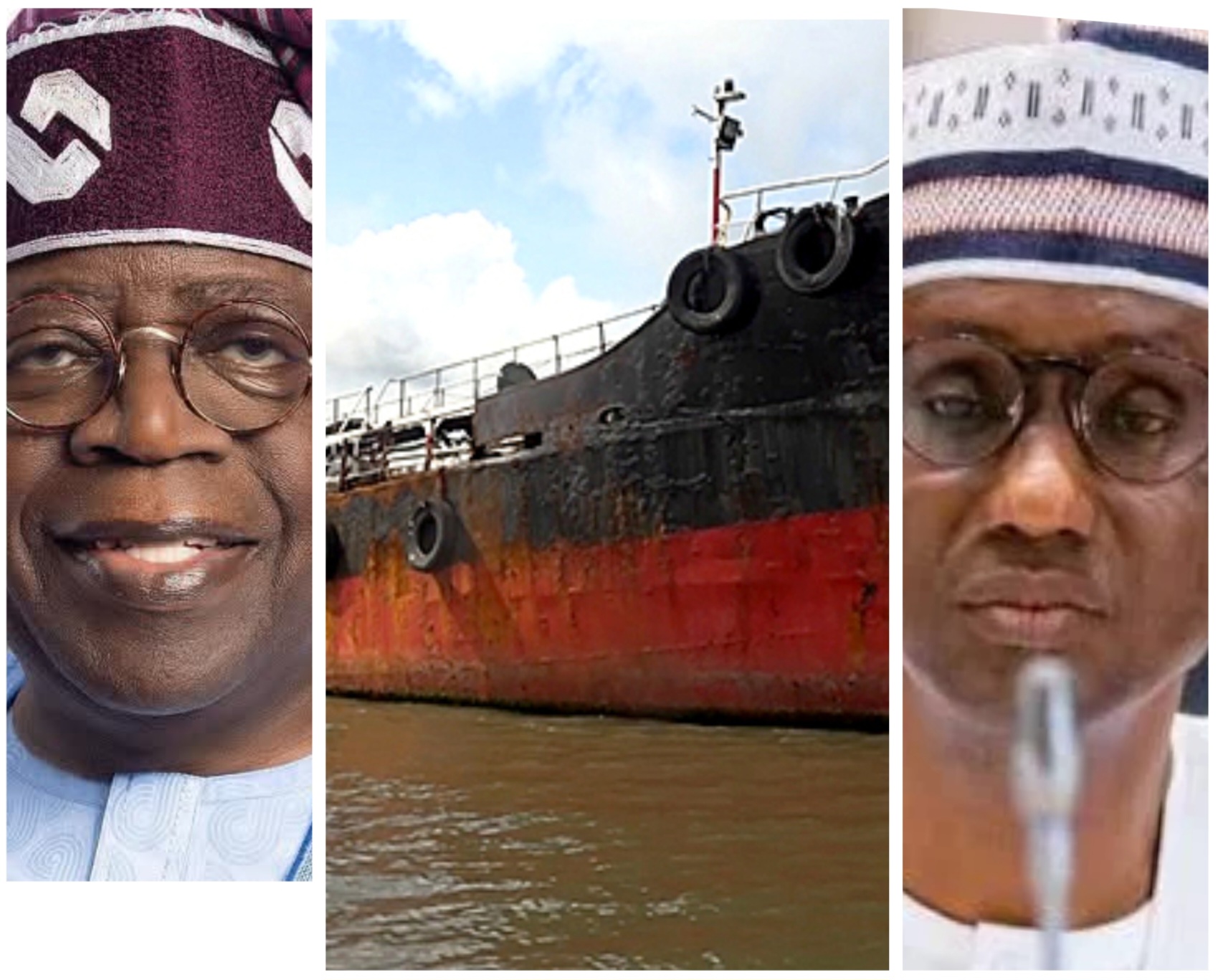
He alleged that TAN benefited from resources associated with the petroleum subsidy system, while claiming that the PBAT Door-to-Door Movement was being fuelled by money linked to the reported ₦2.1 trillion oil pipeline surveillance arrangement.
However, Oliver did not provide documentary evidence in his commentary establishing that public funds were directly used to finance either political movement. His allegations therefore require independent verification.
The ₦2.1 trillion figure and any alleged connection between pipeline surveillance payments and political mobilisation would require scrutiny of relevant contracts, payment records, campaign accounts and responses from the organisations concerned.
Oliver nevertheless questioned whether the two pro-Tinubu movements could achieve what TAN failed to accomplish in 2015, arguing that their visibility should not be mistaken for guaranteed electoral success.
‘Buses Won’t Vote’: Oliver Highlights Voter Sentiment
The commentator also referred to reactions on social media following the circulation of videos showing buses reportedly donated by the PBAT Door-to-Door Movement.
According to Oliver, some commenters argued that the vehicles would not cast ballots on election day, suggesting that political mobilisation infrastructure should not be confused with actual voter support.
He further linked public frustration over rising fuel prices to the challenges confronting the Tinubu administration ahead of the next presidential election.
Oliver argued that economic hardship, particularly the cost of petroleum products, could influence voters' decisions regardless of the scale of campaign spending.
His commentary reflects a broader political question facing the APC: whether its mobilisation efforts can overcome dissatisfaction among voters concerned about the economy, living costs, employment and governance.
Calls On NDC To Adopt A Hardline Electoral Message
Turning to the opposition, Oliver urged the National Democratic Congress (NDC), its presidential and vice-presidential candidates, and other serious contenders to adopt a tougher position against electoral malpractice.
He advocated the slogan “Rig And Die”, which he said should communicate an uncompromising stance against election rigging.
The phrase formed the most controversial part of his commentary, as he warned against attempts to manipulate election results.
However, his remarks also included violent rhetoric directed at alleged election riggers. Such language risks encouraging political violence and undermining peaceful democratic participation.
Electoral malpractice is a serious offence, but allegations of rigging should be addressed through lawful means, including the Independent National Electoral Commission (INEC), election observers, the police and the courts.
Political parties and their supporters can demand transparent elections, document irregularities and challenge disputed results without threatening or carrying out violence against opponents.
Can Tinubu’s Mobilisation Guarantee Victory In 2027?
Oliver's central argument is that the experience of TAN during Jonathan's presidency demonstrates the limits of political mobilisation without sufficient electoral support.
In 2015, Jonathan's defeat showed that an incumbent administration's extensive campaign machinery did not automatically translate into victory at the ballot box.
Whether the City Boy Movement and the PBAT Door-to-Door Movement can deliver a different outcome for Tinubu in 2027 remains an open political question.
The eventual result will depend on multiple factors, including voters' assessment of the administration, opposition unity, candidates' popularity, campaign organisation, economic conditions, turnout and the credibility of the electoral process.
For the APC, the challenge is to convert its campaign visibility into genuine voter support. For opposition parties, the task is to build credible alternatives, mobilise voters and protect the integrity of the electoral process.
Oliver concluded his commentary by insisting that the political lessons of 2015 remain relevant, warning Tinubu's supporters against assuming that a highly visible campaign automatically guarantees electoral victory.
His message was clear: campaign machinery can mobilise supporters, but only voters determine the winner at the ballot box




0 Comment(s)